Aula Energy accelerates South Australia's clean energy ambitions
Carmody’s Hill Wind Farm a Capacity Investment Scheme first
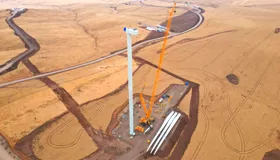
Australian renewable energy developer Aula Energy is developing Carmody’s Hill Wind Farm with CEFC backing. The 256.2 MW capacity project is set to be a key contributor to South Australia’s efforts to reach 100 per cent renewables and is the first Capacity Investment Scheme-backed wind farm to reach notice to proceed.
$147 million
CEFC commitment
256.2 MW
capacity
Up to 200
construction jobs
This is another demonstration of the critical role CEFC finance plays in shaping large-scale renewables investment and building investor confidence, drawing in private capital and accelerating construction timelines.Joe HarberHead of Wind Investment, CEFC
Our investment
The CEFC has committed $147 million to accelerate the development of the 256.2 MW Carmody’s Hill Wind Farm (Carmody’s Hill WF) in South Australia.
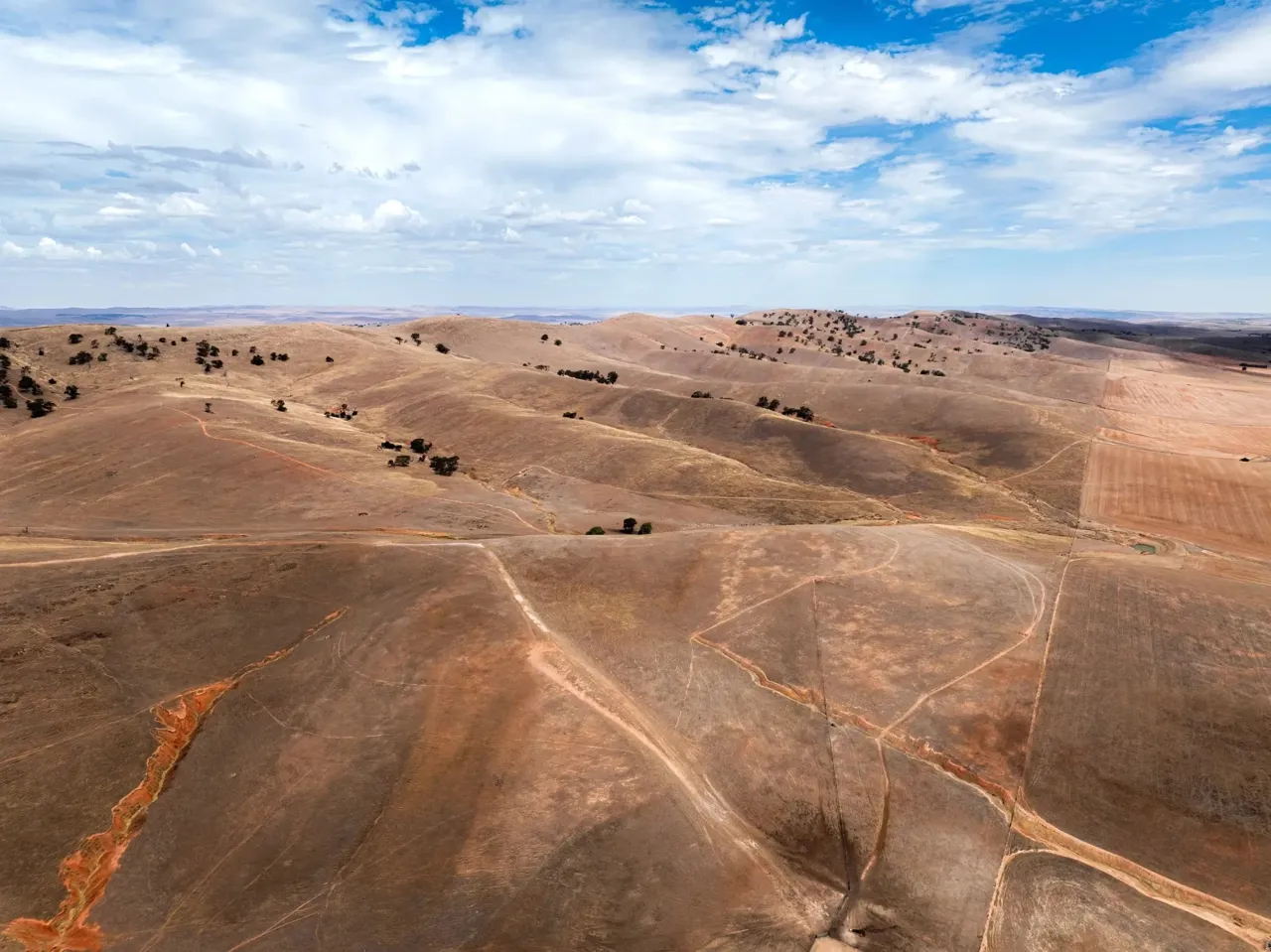
Australian renewable energy developer Aula Energy estimates that when operational, Carmody’s Hill WF, which is located 180 km north of Adelaide, will produce enough energy to power more than 195,000 South Australian homes. The wind farm’s 42 turbines will connect to the existing 275 kV Davenport to Brinkworth transmission line.
Carmody’s Hill is the first Capacity Investment Scheme-backed wind farm to reach notice to proceed, and it is expected to support up to 200 jobs in South Australia during construction.
The Capacity Investment Scheme is an Australian Government revenue underwriting scheme to accelerate investment in renewable energy generation and clean dispatchable capacity such as battery storage.1
The project, east of George Town, is on the traditional land of the Nukunu People. Aula Energy has established a community fund for local communities including the Nukunu, supporting both the construction phase and the initial 30 years of the project’s operation. 2
We’re building enduring partnerships to lead Australia’s energy transition, faster, smarter, and with shared value for all. With finance secured and strong delivery partners, we’re ready to create lasting value for the Nukunu People, local communities, shareholders, and the sector.Chad HymasCEO, Aula Energy
1 DCCEEW, Capacity Investment Scheme.
2 Carmody’s Hill Wind Farm website, accessed January 2026.
OUR IMPACT
Wind generation is expected to remain a cornerstone of Australia’s clean energy future, according to the Australian Energy Market Operator’s Draft 2026 Integrated System Plan. The plan states that under its Step Change scenario, installed capacity will grow from about 12 GW in 2025 to 40 GW by 2035 and 57 GW by 2050.
This expansion is part of a broader transformation that will see total grid-scale wind and solar increase five-fold by mid-century, supported by significant transmission investment and firming capacity to maintain reliability as coal retires.
Supporting South Australia to deliver cheaper, cleaner electricity
South Australia continues to lead the nation’s clean energy transition, and by supporting new large-scale wind generation, the CEFC is helping deliver cheaper, cleaner electricity ahead of the early retirement of coal-fired power stations.
The CEFC commitment to the project, enabling the timely development of Carmody’s Hill WF, will help deliver reliable, low-cost energy to more Australian households and businesses, and contribute to further decarbonisation of the grid.
The wind farm has secured an offtake agreement with Snowy Hydro for more than 40 per cent of its generation.
Learn more about CEFC investment in large-scale renewable energy assets.