Nari Nari Tribal Council restores significant wetlands for carbon and biodiversity benefits
Demonstrating conservation, indigenous leadership, and environmental stewardship
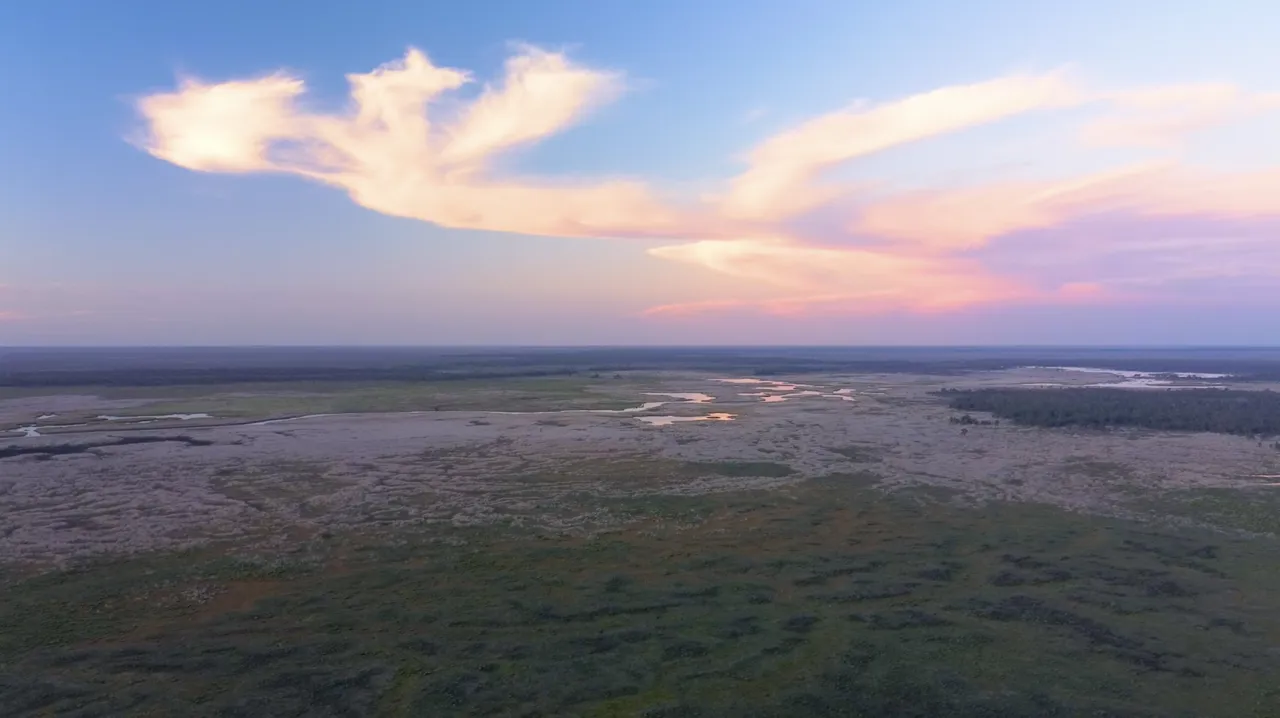
The CEFC is backing the Nari Nari Tribal Council to restore one of Australia’s most significant freshwater wetlands systems, The Great Cumbung in south-west NSW, for the delivery of measurable carbon sequestration and long-term biodiversity benefits.
$15 million
CEFC commitment
34,000
hectares
Wetlands
restoration

Our investment
The CEFC has committed $15 million through Bank Australia to back the Nari Nari Tribal Council (NNTC) restoration of The Great Cumbung wetlands that play a critical role in storing carbon and regulating greenhouse gases.
The CEFC commitment supports the acquisition of Juanbung and Boyong Stations that cover 34,000 hectares including environmentally critical wetlands in the Murray Darling Basin in south-west New South Wales. The Great Cumbung adjoins Gavini, a 90,000-hectare property also owned by the Nari Nari Tribal Council.
The Great Cumbung, at the junction of the Murrumbidgee and Lachlan Rivers, is home to threatened species, including birds like the Australasian Bittern and the Australian Painted Snipe.
Restoration works are focused on removing floodplain barriers and regenerating native wetland and woodland systems, including river red gum, black box and mallee species, alongside selected grazing, to enhance biodiversity outcomes.
The NNTC is leading land and water management decisions including restoration strategies, overseeing implementation and ensuring that cultural values are embedded in how the land is managed over the long term.
In a significant step for environmental protection, the commitment also allows the NNTC to ensure that native forest within the area is retained and protected, further securing its long-term conservation value.
OUR IMPACT
Tapping into carbon sequestration potential
The restoration of wetlands can deliver significant carbon sequestration through soils and vegetation over the medium to long term.
Wetlands have the capacity to store three to four times more carbon than trees alone. The Great Cumbung contains woodland and a reedy wetland. As its reeds grow they are able to pull carbon from the atmosphere and store it in the soil and plant biomass.
Success is tracked through a combination of ecological indicators, including vegetation condition, species return, habitat quality, and hydrological function. These metrics are monitored over time to assess recovery and inform adaptive management. The carbon and biodiversity benefits are expected to accrue as the ecosystem recovers and stablises.
Demonstrating the viability of First Nations-led restoration projects
The CEFC targets projects that deliver measurable emissions removal and carbon storage while strengthening diversity and land resilience.
This transaction is an example of how indigenous leadership, ecosystem restoration and financing comes together for long-term stewardship and demonstrates that conservation management is bankable and economically viable for Traditional Owner groups.
The importance of this acquisition extends well beyond the transaction itself. It marks a major step forward for First Nations leadership in landscape-scale conservation, cultural restoration and long-term environmental stewardship. It is also a significant moment for Bank Australia, representing a proud partnership with the CEFC, and is deeply tied to our impact areas. It’s the kind of outcome the whole of Bank Australia is proud to have supported.Tim Von EssHead of Impact Lending, Bank Australia
Guided by the NNTC, this project demonstrates the vital role Traditional Owner groups play in Australia's net zero transition. With CEFC backing, the NNTC can focus on restoring this critical wetland and delivering long-term stewardship of Country.Heechung SungHead of Natural Capital, CEFC