
Growth Capital: backing the businesses scaling Australia’s net zero transition
Growth Capital Event
Growth Capital: backing the businesses scaling Australia’s net zero transition
17 June 2026
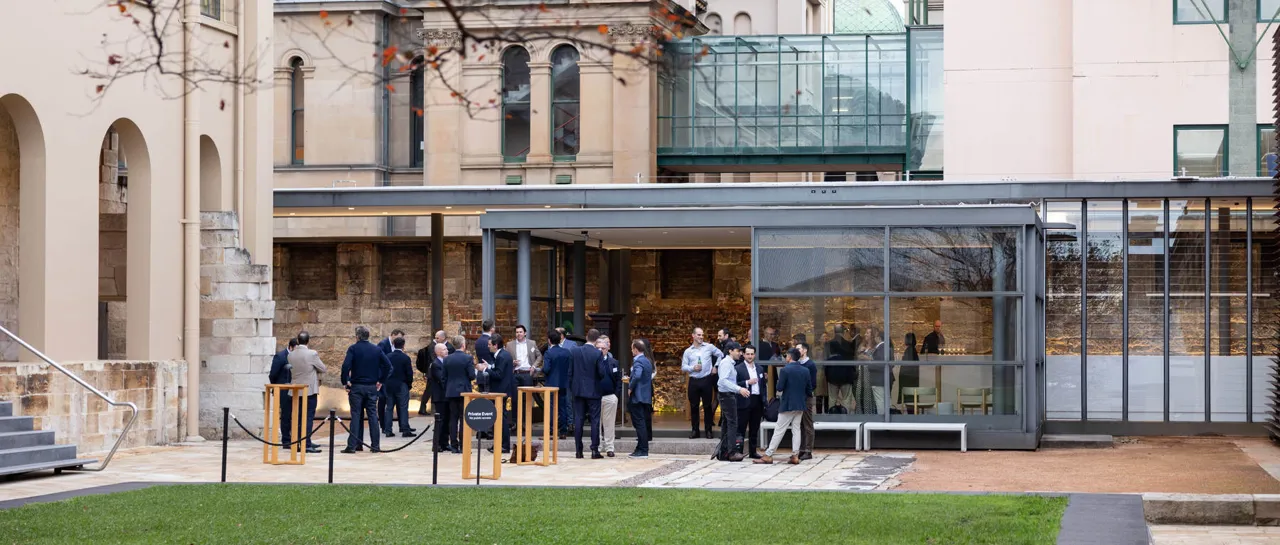
The market opportunity for climate technology businesses is bigger than ever, but great ideas require capital, know-how and sector expertise to scale successfully. This was the message delivered to guests at the recent CEFC Annual Growth Capital Forum in Sydney.
The event brought together investors, advisers and entrepreneurs from businesses working across the climate transition. The speakers illustrated the size of the market opportunities for private equity, venture capital and emerging infrastructure investment and what investors are looking for, while a case study with Agile Energy demonstrated how CEFC backing can drive success for growing businesses.
Opportunities abound
CEFC Director of Research, Owen Pascoe, highlighted both the momentum and the urgency of the energy transition.
“While the past year has seen strong progress in clean energy deployment, it has also brought new pressures from the oil crisis. Unlike previous energy shocks, however, commercially viable clean energy alternatives now exist and can be deployed at scale, making electrification an increasingly important response to both energy security and decarbonisation”.
At the same time, he warned that the climate challenge remains acute, with global emissions still not falling at the pace needed.
“There is a significant gap remaining between current policy settings and the emissions reductions required to meet climate goals. While investment in clean energy is reaching record levels globally, financial flows still fall short of the scale and urgency of the transition challenge. In Australia, the net zero scenario requires annual investment to more than quadruple from the 2025 level of $32 billion to $80 billion per year.1”
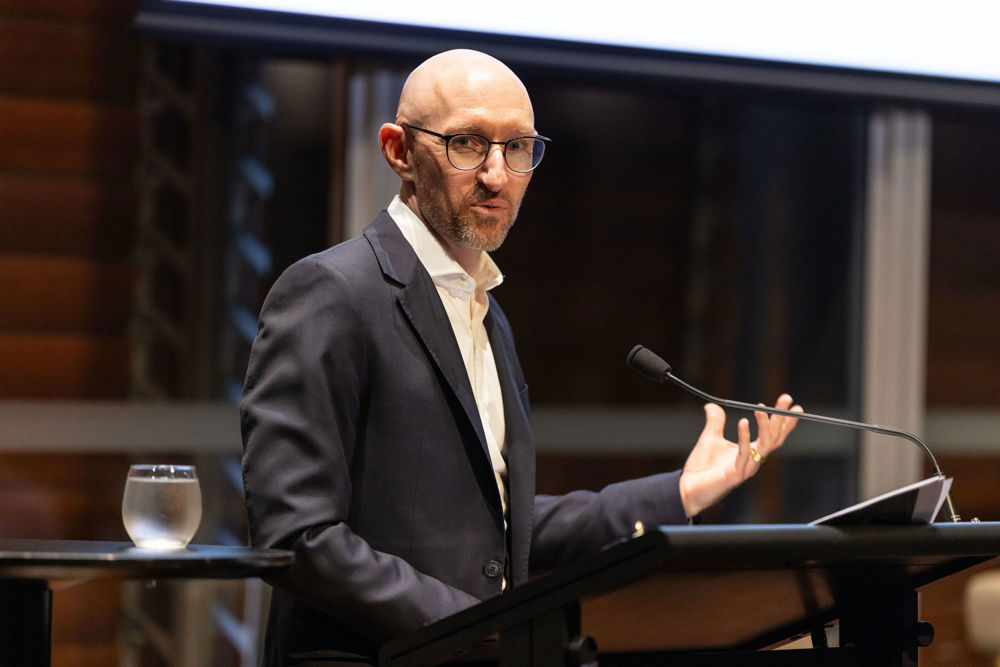
CEFC Head of Growth Capital, Malcolm Thornton, explained how the CEFC can help to grow businesses who are meeting this market need through the $500 million Powering Australia Technology Fund (PATF).
“We think of CEFC Growth Capital as a value-adding investor, seeking to drive portfolio growth by bringing more than just capital. We come with sector expertise, networks, patient investment horizons, and CEFC credibility; all of this can be leveraged to help portfolio companies grow. We target high-growth businesses making an impact in emissions reduction and partner with like-minded co-investors.”
Through the PATF, the CEFC aims to make initial investments of between $5 million and $30 million, targeting equity ownership above 10 per cent as well as board access. With a ‘patient capital’ approach, it targets holding periods of between three and ten years.
“The Growth Capital team seeks out businesses with traction, capital needs and the potential to scale emissions-reducing solutions across the economy. We see opportunities across the breadth of the economy including energy, transport and agriculture.”
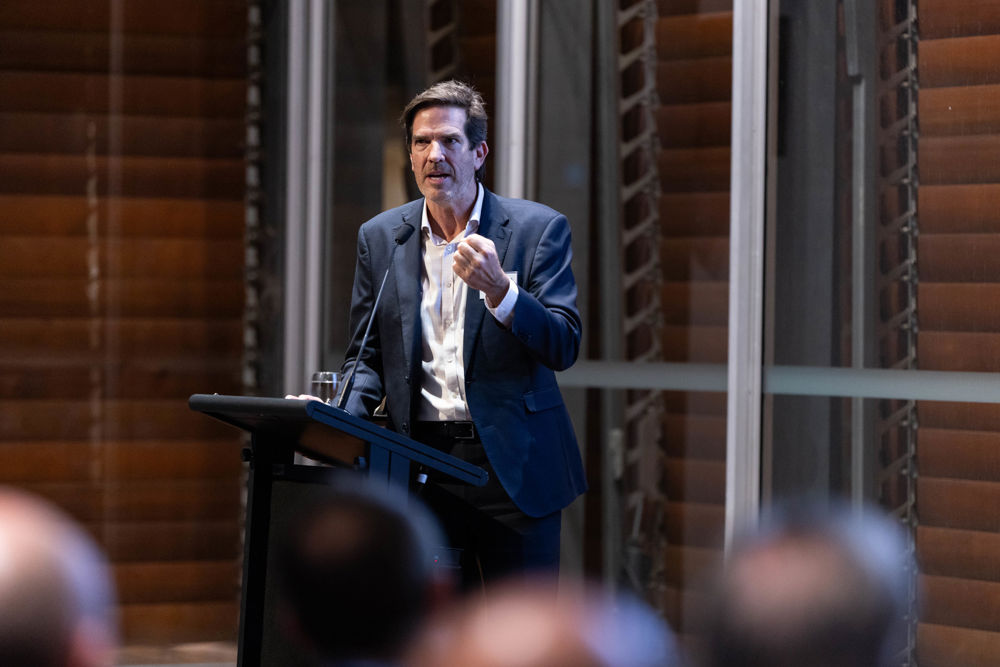
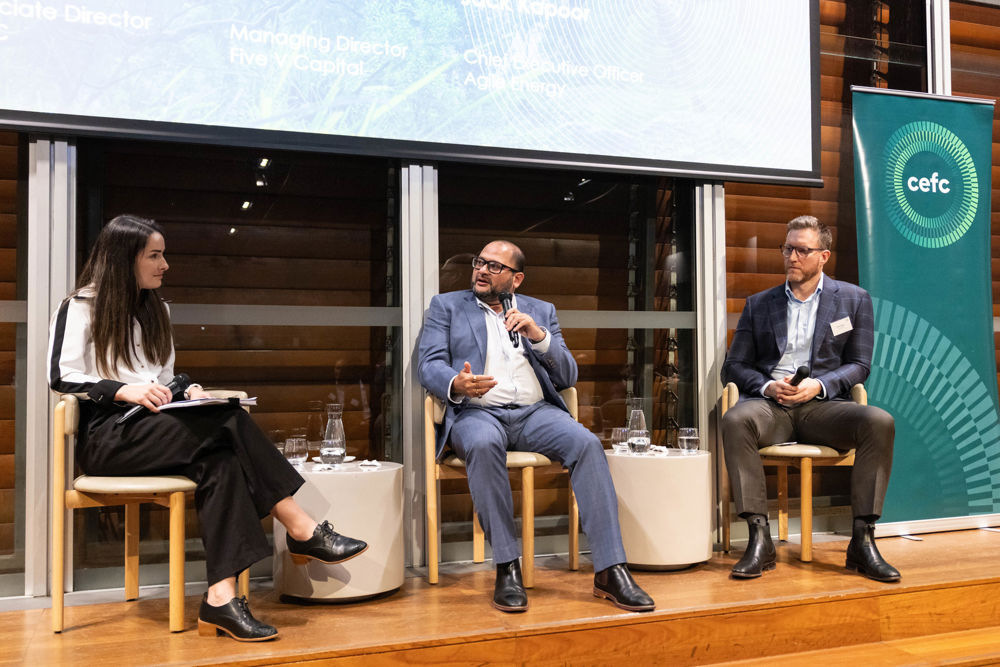
To illustrate the way the CEFC works with its portfolio businesses and co-investors, the CEFC convened a panel with Agile Energy and Five V Capital. In late 2025, the CEFC made a strategic equity investment through the PATF into the company, alongside Five V Capital.
Jack Kapoor, CEO, Agile Energy, said the business was founded to address a gap in the commercial and industrial (C&I) market.
“Many businesses wanted to reduce emissions but lacked simple, capital-light ways to invest in renewable energy. Our founding thesis was to position renewables not as a sustainability add-on, but as a way for businesses to manage energy costs.”
Agile Energy helps businesses cut power costs and lower carbon emissions by providing fully funded "behind-the-meter" clean energy solutions with zero upfront capital required.
Patrick Rodden, Managing Director, Five V Capital, said Agile stood out as an investment because it focuses on distributed energy as an investment theme.
“Agile Energy’s model offers customers an attractive solution: no upfront capex, lower energy costs and reduced emissions. We also valued the team’s deliberate strategy of building the business around customer-aligned long-term power purchase agreements rather than simply selling equipment.”
CEFC and Five V Capital invested in Agile Energy at the same time, providing both capital and expertise as Board members.
Kapoor said, “Support from the CEFC and Five V Capital has been important not only for funding but for governance, strategic guidance and industry expertise. The Board’s role extends beyond capital and includes helping shape strategy, particularly in adjacent opportunities such as batteries.”
Rodden said that the CEFC adds value in a market where customer awareness remains low.
"The CEFC helps crowd in private capital through expertise, networks, credibility and deep sector knowledge, rather than through any artificial pricing advantage.”
Ludovic Theau, Chief Investment Officer, Australian Ethical, joined the team for a fireside chat, talking about the landscape for institutional investment in emerging companies.
“Australia can be challenging because traditional renewable infrastructure opportunities may offer lower returns than larger, more complex offshore opportunities. This has led Australian Ethical to look more closely at growth capital, selected venture opportunities and other parts of the transition landscape where return potential is stronger.”
Asked how Australian Ethical thinks about direct investments versus fund investments and co-investments, Theau said all three approaches have a role, but each has trade-offs: direct investing requires internal capability and resources, while fund investing can create fee pressure.
“The key challenge is to find the right blend of strategies. Co-investing with the CEFC brings advantages such as their investment insight and ability to take a cornerstone position in capital raising. The CEFC can also help investors remain patient and disciplined in fast-moving markets with a high volume of opportunities.”
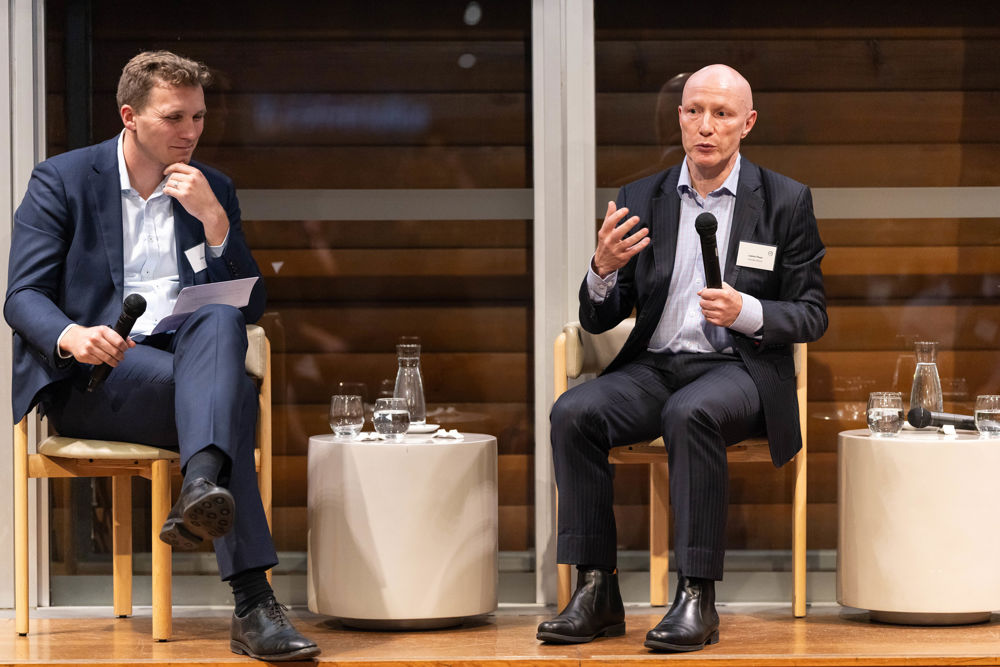
The discussion overall underscored the scale of the opportunity for businesses delivering practical decarbonisation solutions, and the important role of experienced, patient capital in helping them move from early traction to broader market adoption.
For the CEFC, Growth Capital is designed to support that next stage of growth: backing ambitious companies with capital, networks and sector expertise, while helping crowd in private investment to accelerate the transition to a net zero future.
Find out more about Growth capital investments
1 Source: BloombergNEF, New Energy Outlook 2026


