
Natural capital event: Unlocking Australia’s natural capital potential
Natural Capital Event
Unlocking Australia’s natural capital potential
25 November 2025
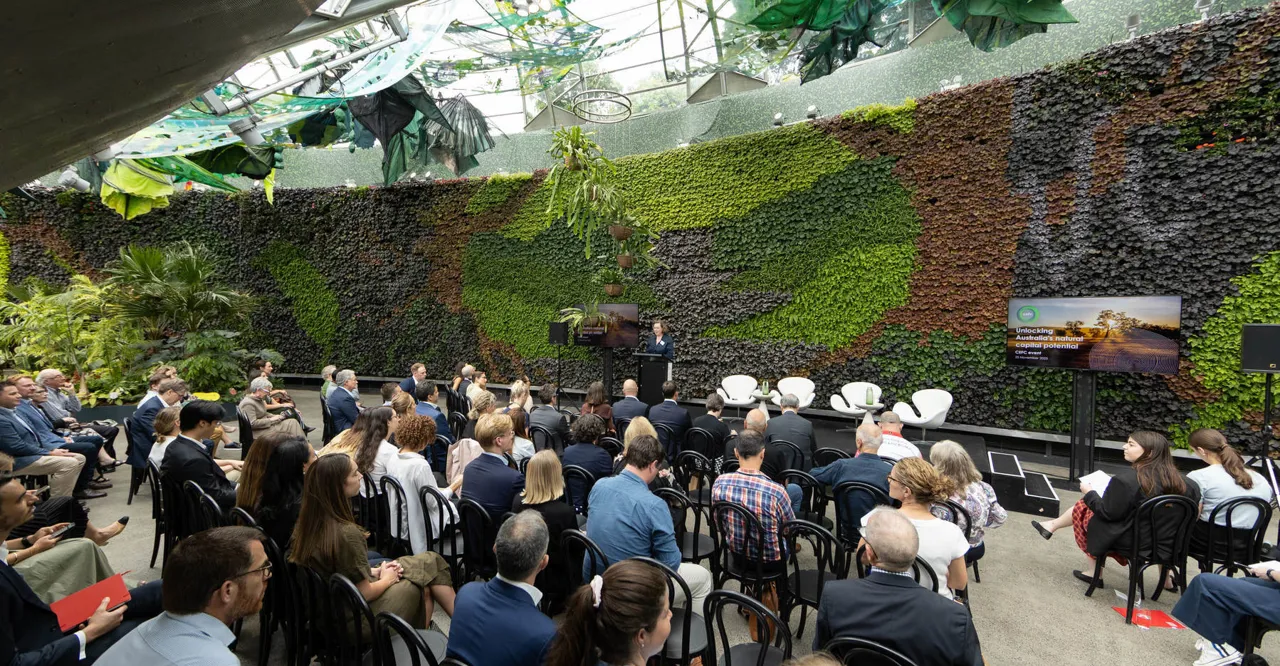
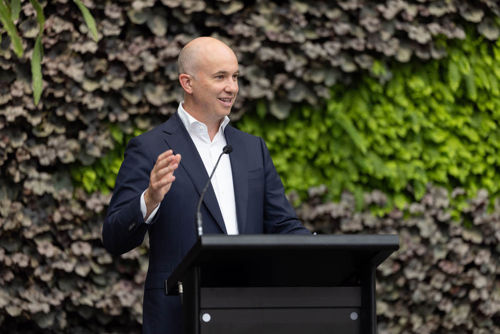
Natural capital will play an increasingly important role in reducing Australia’s carbon emissions, according to Chair of the Climate Change Authority (CCA) Matt Kean. Delivering the keynote at an event hosted by the CEFC Natural Capital team on 25 November, the former New South Wales Environment Minister provided an update on Australia’s progress on its climate goals, while the CEFC and panellists discussed investment opportunities in the emerging asset class.
Following the CCA’s recommendations, the Australian Government has added an interim emissions reduction target that aims to cut 2005 emissions by 62-70 per cent by 2035.
Mr Kean said: “Given we have taken two decades to shave a bit less than 30 per cent off those emissions, you can see why we must roughly double our rate of reductions for this coming decade.
He said that the great bulk of our reductions since 2005 were thanks to changes in land use, noting that the CCA expected the land sector to expand its role as a carbon sink. In fact, he said, the CCA saw land-based sequestration as a critical part of achieving the nation’s emissions reduction target.
Mr Kean pointed to improved pasture management and maintaining/increasing soil carbon as agricultural initiatives that “can reward farmers both in terms of improved productivity and … carbon-farming incomes.”
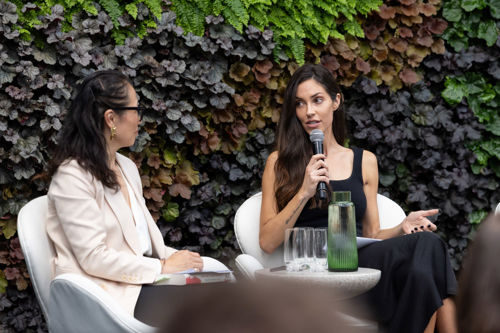
The CEFC Natural Capital team invests to maximise the productive, sustainable use of Australia’s natural capital assets. This includes reducing on-farm emissions, unlocking the sequestration potential of land and agriculture, and bringing in new sources of capital across diverse agricultural and land use activities. The team hosted an event in Sydney, bringing together stakeholders from across the sector to explore how they can unlock further innovation and opportunities.
CEFC Head of Natural Capital Heechung Sung, told the audience: “Australia has a unique market and opportunity to support natural capital investments both at scale and with high integrity carbon credit methods. New financial instruments, such as carbon markets and the developing nature markets, enable investment for improved climate, environment and community outcomes.”
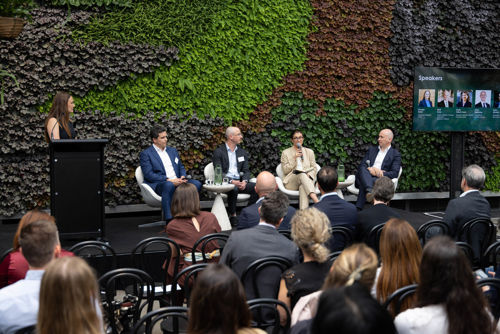
In addition to the keynote addresses, two panels of guest speakers discussed the role of institutional capital in natural capital investment, and the importance of carbon credits in achieving net zero goals.
Protecting nature: opportunities for institutional capital
Speaking on the institutional investor panel, Pepe Morales, Manager, Alternatives at Rest Super, said that there was a defensive aspect to the agriculture asset class, including inflation protection and real asset backing. Dean Steinberg, Consultant at Frontier Advisers, echoed this and pointed to his firm’s research paper on the topic, which outlined significant diversification benefits stemming from low correlation with other asset classes.
Greta Talbot-Jones, natural capital Portfolio Manager at Aviva Investors, is co-managing their private markets Carbon Removal Fund. She highlighted the need for increased carbon removal solutions in the coming decades as the fund seeks to turn transition risk into investible opportunities in natural capital. One of her examples was the challenge of protecting homes and infrastructure in the UK, where as many as 1 in 13 homes built in the last decade are in high-risk flood zones. However, this also creates investment opportunities for both flood adaptation and climate mitigation solutions through the development of targeted nature-based solutions that can, in turn, protect natural assets and the built environment.
The role of high-integrity carbon credits
Speaking on the carbon credits panel, Karen Hussey, Chair of the Australian Government’s Emissions Reduction Assurance Committee, highlighted the benefits of the Australian Carbon Credit Units (ACCU) scheme, noting that Australia was “blessed with enormous opportunities to do low-cost carbon abatement really well … but it has to be credible. It has to be high integrity”.
Greg Noonan, Division Director - Natural Capital at Gunn Agri Partners, provided the example of Arcturus Downs, a 15,000-hectare cropping and grazing property in central Queensland. Gunn Agri is now embarking on the conversion of 3000 hectares of degraded grazing land to environmental plantings. This means, in effect, planting almost a million trees for the purpose of carbon sequestration, which will eventually generate ACCUs.
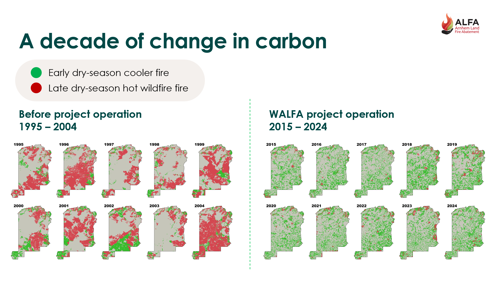
Adrian Enright is Chief Commercial Officer at Arnhem Land Fire Abatement (ALFA), an entirely Aboriginal-owned and not-for-profit carbon farming business. He explained how ALFA uses the uniquely Australian Savanna burning method, practised for thousands of years by First Nations peoples.
Undertaking cooler mosaic burns earlier in the dry season prevents the hotter, more intense wildfires of the summer and generates around 600,000 ACCUs per annum. The proceeds of these ACCUs support the burning operations, as well as funding health and education services for the local Indigenous population.
Keynote speaker and award-winning environmentalist, Natalie Kyriacou, provided an overarching message for the event. Drawing on stories from her book, Nature’s Last Dance, she concluded, “We must not lose sight of the most fundamental point: that nature isn't an optional extra. It's the foundation of everything.”
Find out more about CEFC natural capital investments.
Photography credit: Creative Events Photography


