
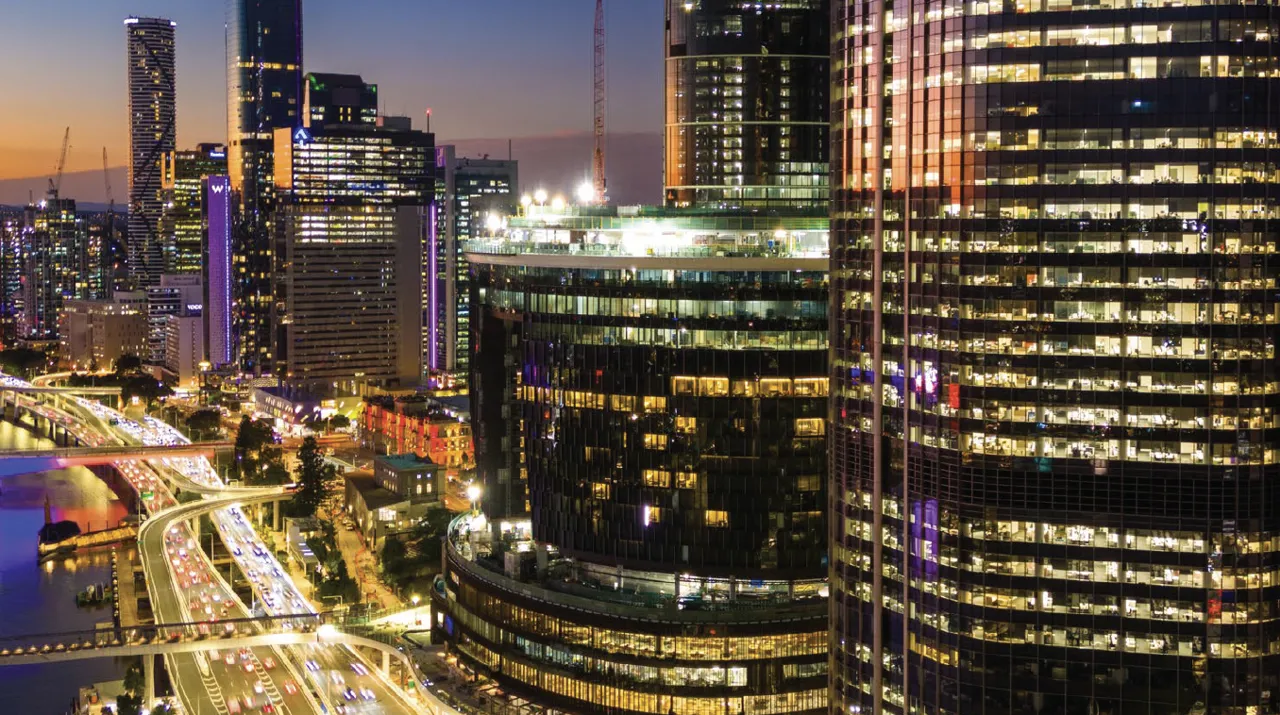
A roadmap to reduce emissions in commercial buildings
Collaboration with the Energy Efficiency Council on electrification
The built environment sector accounts for nearly one quarter of Australia’s national carbon emissions, with commercial buildings alone representing more than 10 per cent of the national total. Electrification of this sector therefore represents a key opportunity for emissions reduction.
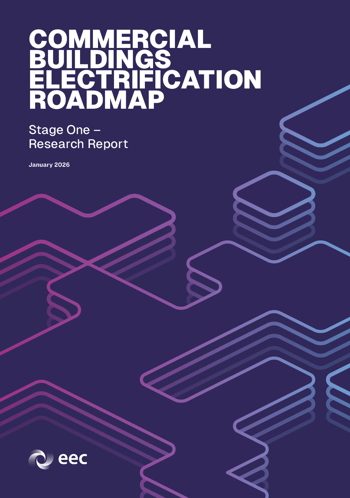
Commercial buildings electrification roadmap
January 2026
Replacing gas with efficient electric technology in commercial buildings can facilitate the use of renewable electricity and integrate with the broader energy transition.
However, this is not a simple process. Governments and industry are still in the early stages of identifying ways to deploy electrification solutions into existing building stock. Against this backdrop, the Energy Efficiency Council has partnered with a number of organisations, including the Clean Energy Finance Corporation, to explore this topic in more detail.
View the report
The CEFC welcomes the Energy Efficiency Council’s electrification roadmap report, and we’re pleased to have contributed to it. This first stage provides a promising framework for action, and we look forward to working with stakeholders on the next steps.Ian LearmonthCEO, CEFC
about the Report
Mapping challenges and solutions
A key challenge for governments and industry is electrifying existing building stock. While the technology for efficient electrification of commercial buildings is maturing and increasingly available, electrification pathways and least-cost strategies are not yet widely understood or adopted within the sector.
Commercial Buildings Electrification Roadmap responds to this issue by setting out Stage 1 of a project to map the challenges and possible solutions for removing gas from commercial buildings and replacing it with renewable electricity.
It includes a review of existing evidence, analysis of drivers and barriers, a proposed typology of commercial buildings, and proposed priority policy recommendations.
Report findings
Qualitative information about electrification of commercial buildings was gathered through consultation to identify perceived market ‘drivers’ and ‘barriers’ to retrofit buildings and / or replace gas appliances with an all-electric equivalent.
Key drivers identified include:
- Market demand for decarbonisation and sustainability
- New opportunities in energy transition
- Gas supply risks
- Reduced operational costs
- Incentives and finance
- Ratings, disclosure and consumer information
- Regulations and standards
Barriers include:
- Financial barriers
- Physical and practical constraints
- Information gaps in an emerging market
- Disruptions to tenancies and operations
- Electricity infrastructure and network capacity
- Ownership and tenancy structures


