Ambitious Norwest Quarter development delivers net-zero ready apartments
Holistic approach to sustainability at every phase of the building process
Sydney’s Norwest Quarter is one of Australia’s first masterplanned urban precincts to incorporate sustainable aspects from the design stage, with the goal of providing ongoing low emissions benefits to residents and the environment.
$80m
CEFC commitment
Net-zero
ready apartments
100%
renewable energy
Sustainable high-density residential buildings have a leading role to play in the future of our cities and are particularly relevant to growing areas like north-western Sydney. Norwest Quarter is an ambitious development that has innovated by taking a holistic approach to optimise sustainability at every level of the building process. We need to lock in this approach to all new and existing buildings as we target net zero emissions.Ian LearmonthCEO, CEFC
Our investment
The CEFC and ANZ each committed $80 million to Stage One of the Mulpha Australia Norwest Quarter development in Sydney’s Hills district.
The CEFC and ANZ facility met internationally-recognised Green Loan Principles, with ANZ acting as Sustainability Coordinator for the financing framework associated with structuring the facility as a green loan. The CEFC loan was repaid in October 2025. Stage One construction was completed in December 2025.
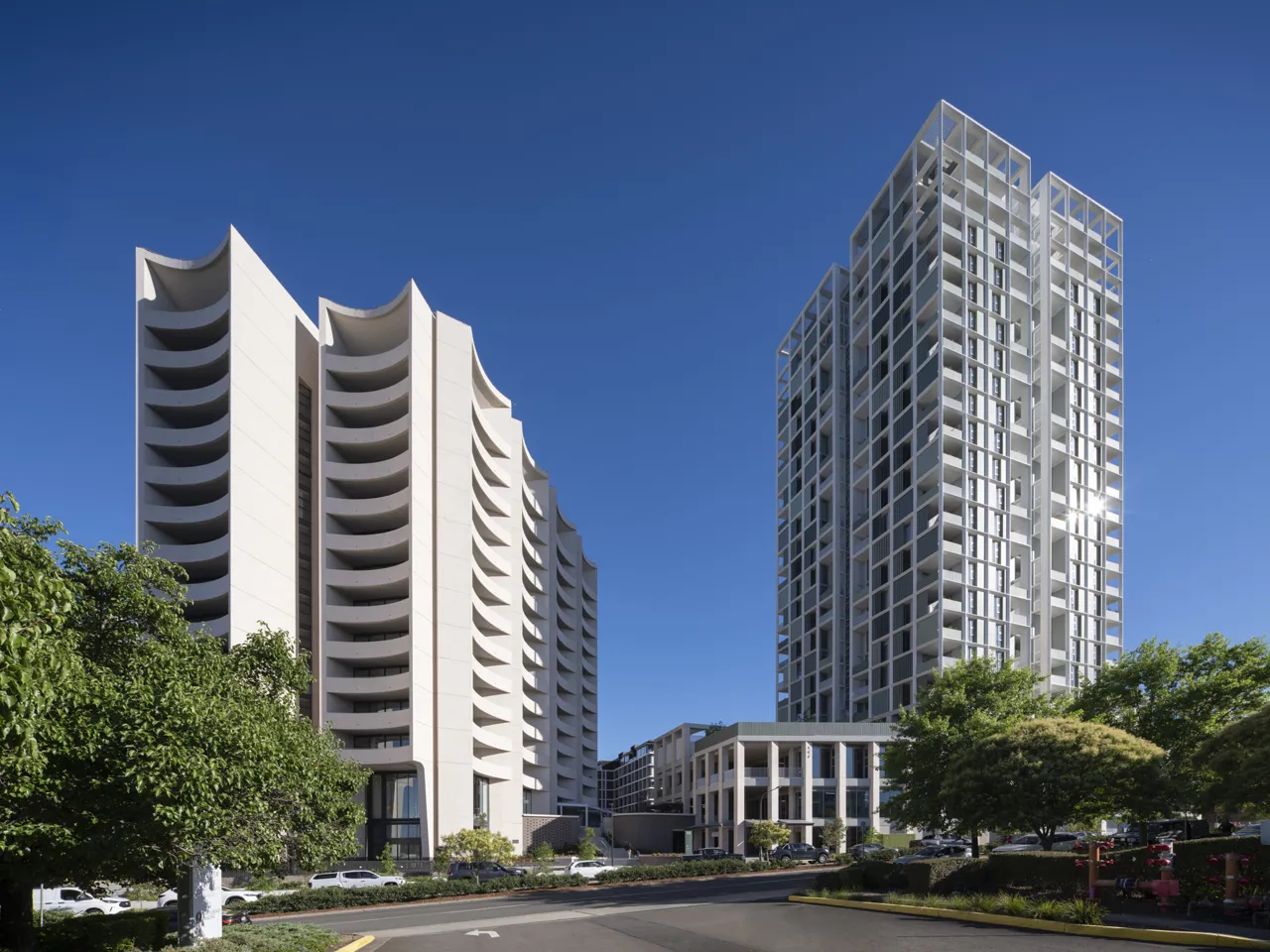
The Norwest Quarter masterplan aims to transform over four hectares of greenfield land into a vibrant town centre for over 2,000 residents. When completed, Norwest is expected to include a series of eight high-rise residential towers, ranging from eight to 26 storeys, housing a total of 950 apartments, with 6,000sqm of space slated for cafes, restaurants, neighbourhood shops and everyday services and facilities.
This is an excellent project to be involved in as we’ve worked with Mulpha to help develop their inaugural Sustainable Finance Framework, which aims to help accelerate Mulpha’s sustainable developments and strategy.Jo ScotneyGeneral Manager, Institutional Property and Health, ANZ
our impact
The potential for residential emissions reduction
Australia’s residential property sector contributes 10 per cent to the nation’s total carbon footprint annually, with residential buildings responsible for some 24 per cent of Australia’s overall electricity use.1
Efficient buildings, using proven clean energy technologies can reduce the stress on the electricity network, lower electricity consumption and cut national emissions.
Net-zero ready development
Stage 1 of the development delivered 196 net zero-ready apartments that have been independently verified as achieving a 49 per cent reduction in grid energy use, 25 per cent lower water consumption and 53 per cent less waste to landfill.
The all-electric apartments feature energy-efficient appliances, LED lighting, induction cooktops, efficient plumbing fixtures and heat pump hot water systems. These inclusions aim to cut reliance on the electricity grid, minimise apartment carbon footprints and make it possible to reduce household bills by more than 25 per cent a year.
Electric vehicle charging infrastructure, solar rooftops and the use of low-emission building materials sit alongside measures to support the circular economy, such as recycled water for toilets and onsite organic waste treatment.
Norwest Quarter
Featuring two main towers designed by award-winning Australian Architectural firms Smart Design Studio and Bates Smart, apartments within Norwest Quarter have been finished to a premium quality and significant sustainability standard. The broader Norwest precinct includes landscaped open space at ground level to aid urban heat reduction.
The development is estimated to have an abatement potential of 1,507 tCO2-e in the first year of operations and 30,132 tCO2-e over the projected lifetime.
1. DCCEEW website, Residential Buildings, April 2026