Tasmania Natural Asset Trust germinates long-term benefits
Growing sustainable forestry in Tasmania benefits the economy and environment
The Tasmania Natural Asset Trust forestry platform, backed by the CEFC, Aviva Investors and Gresham House, invests in sustainable plantation forestry in Tasmania. The platform’s first project is at Rushy Lagoon.
$69 million
CEFC commitment
190+
new jobs
ACCUs
generated
Our investment
The CEFC, Aviva Investors and Gresham House have created a groundbreaking $142 million project to invest in sustainable forestry plantations in Tasmania.
The Tasmania Natural Asset Trust (TNAT) afforestation and natural capital platform, managed by Gresham House Asset Management (GHAM), has investments from the CEFC, Aviva Investors’ Carbon Removal Fund and Gresham House Limited. The CEFC has committed $69 million to the project.
The platform is expected to create local jobs and a long-term new timber supply, restore degraded pasture and generate Australian Carbon Credits Units (ACCUs).
The project will demonstrate the positive impact that institutional capital can have on the economic development of regional communities while also supporting decarbonisation and conservation.
OUR IMPACT
Rushy Lagoon - a pioneering project
The TNAT platform’s cornerstone asset is an afforestation and environmental restoration scheme on low productive land at Rushy Lagoon, a vast 21,745 hectare property in northern Tasmania.
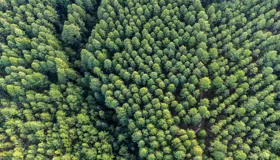
The pioneering project is expected to provide a major boost to Tasmania’s forestry industry, combining commercial softwood plantations with large-scale conservation and ecological restoration.
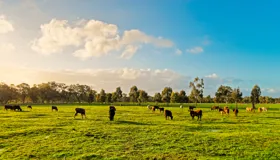
The plantation will be grown on land that has been classified as marginal quality farmland by the Tasmanian Government under the Land Capability Classification.
The Radiata Pine trees produced by the project are expected to be processed locally by Tasmanian-based sawmills and supplied to the Australian market.
This will stimulate the local economy, creating new jobs for contractors, sawmill operators, field surveyors and planting crews.
Direct benefits include:
- More than 190 new jobs over the life of the project.
- Production of approximately five million tonnes of timber and 3.2 million ACCUs.
- Timber grown under Forestry Stewardship Council (FSC) certification or Programme for the Endorsement of Forest Certification (PEFC) that is processed by Tasmanian sawmills to help offset a critical shortage of construction timber in the Australian housing market.
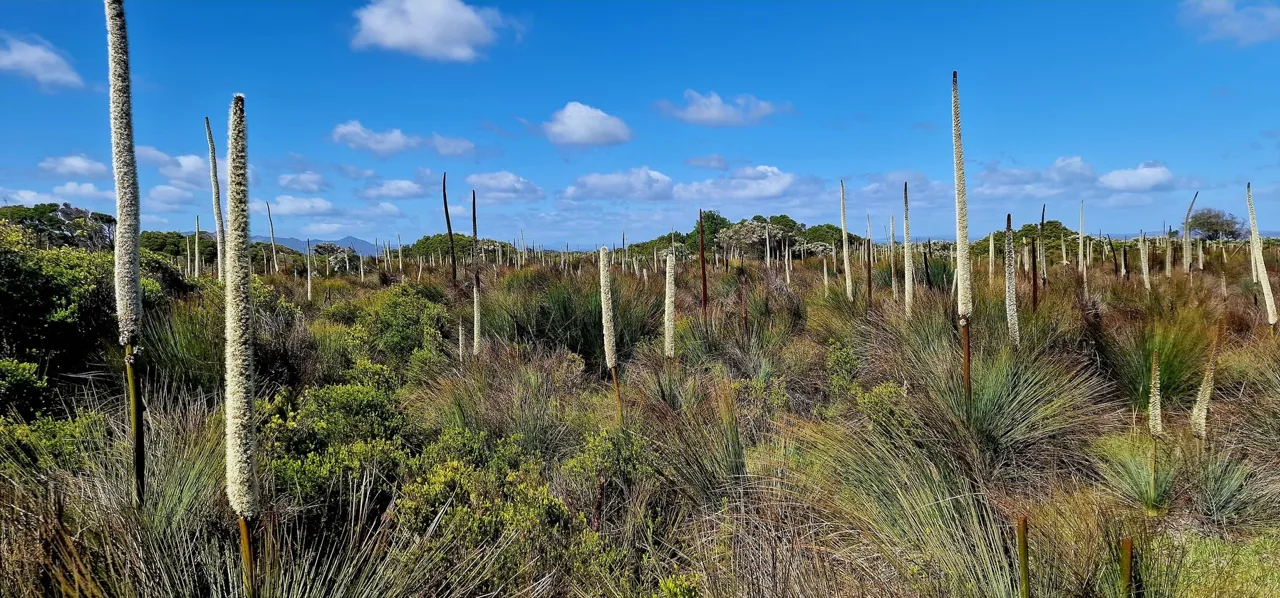
Rushy Lagoon includes ecologically significant wetlands and threatened species, with part of the purchase area intersecting the internationally recognised Floodplain Lower Ringarooma River Ramsar Site.
Alongside restoration of ecologically significant wetlands and conservation areas (pictured), the project design will include protective buffers and hydrology safeguards to help maintain the ecological character of the Ramsar site.
Driving decarbonisation and employment opportunities
The CEFC invests to maximise the productive, sustainable use of Australia’s natural capital assets to accelerate carbon sequestration opportunities as well as supporting key industries such as agriculture and forestry.
Long-term investment in nature and Australian forestry can also provide significant local employment and contractor opportunities. By using high-integrity Plantation Forestry and Environmental Plantings Australian Carbon Credit Unit methods, generated ACCUs have the potential to command a premium in the market.
TNAT represents a new model for sustainable land management in Tasmania. It combines climate-positive forestry with restoration of high-value habitats, aiming to deliver durable natural capital outcomes while supporting regional jobs and skills.
The GHAM management approach prioritises safeguards, certification and transparent monitoring.